Prime Rib
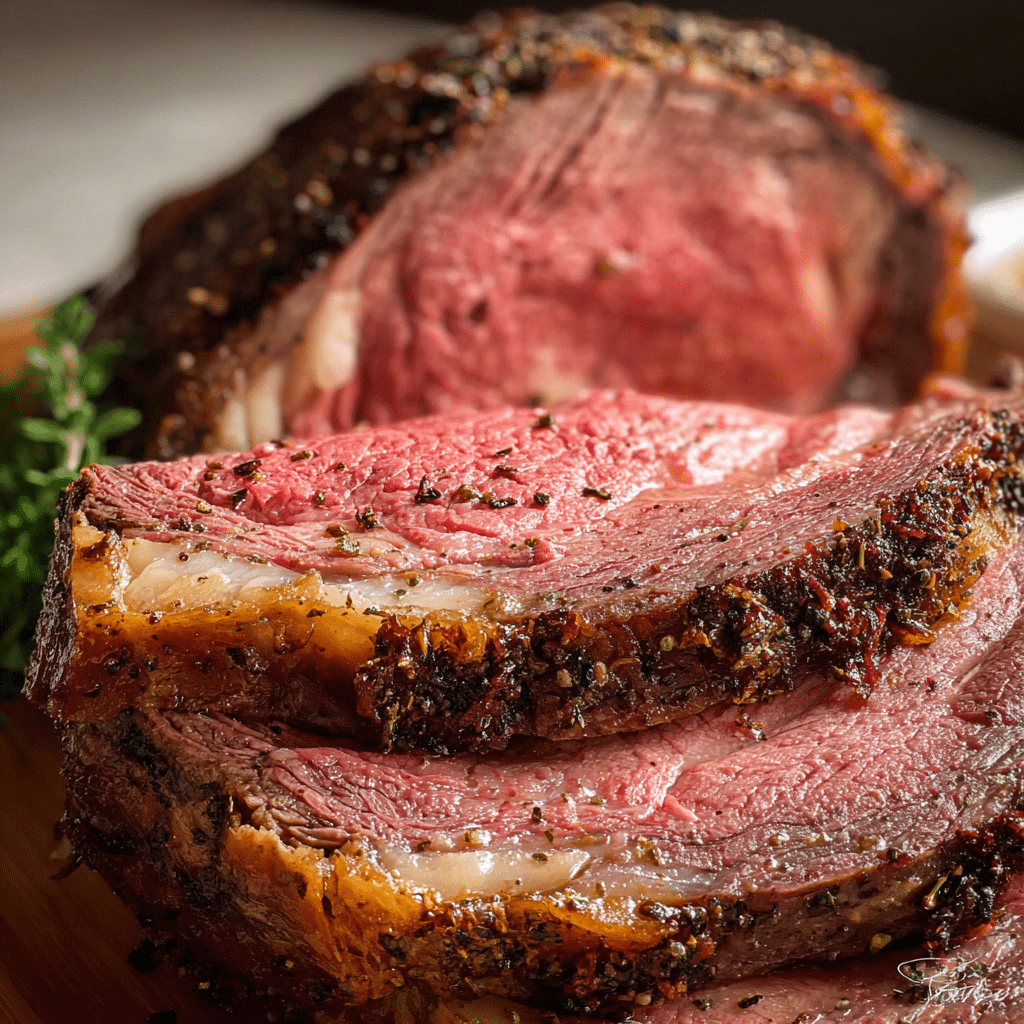
Master the art of Prime Rib with this easy, foolproof guide to juicy, tender, and flavorful roast every single time. Whether you’re preparing for a special occasion or craving a show-stopping dinner, learning how to cook perfect Prime Rib will elevate your culinary skills and wow your guests. From selecting the right cut to achieving that succulent, pink center, this guide covers everything you need for mouthwatering success.
Why You’ll Love This Recipe
- Effortless elegance: Impress friends and family with a stunning roast that looks and tastes gourmet without complicated steps.
- Consistently juicy results: Master cooking times and temperatures that guarantee tender, flavorful meat every time you roast.
- Rich, savory flavor: Infuse your Prime Rib with simple seasonings that highlight the natural taste of the beef.
- Perfect for any occasion: Whether it’s a holiday feast or weekend treat, this recipe fits beautifully on any table.
- Flexible to personal taste: Easy to customize with herbs, rubs, or glazes to match your favorite flavor profile.
Ingredients You’ll Need
The beauty of a Prime Rib roast is its simplicity: just a few high-quality ingredients create incredible flavor. Each one plays a crucial role in enhancing the texture, juiciness, and aroma of this classic beef dish.
- Prime Rib Roast: Choose a well-marbled, bone-in cut between 4 to 8 pounds for optimal tenderness and flavor.
- Kosher Salt: Essential for drawing moisture to the surface and creating a flavorful crust during roasting.
- Freshly Ground Black Pepper: Adds a subtle heat and enhances the beef’s natural richness.
- Garlic Cloves: Smashed or minced, garlic imparts a warm, savory note that’s classic with roast beef.
- Fresh Herbs: Rosemary and thyme bring an aromatic depth that pairs beautifully with Prime Rib’s beefy taste.
- Olive Oil or Butter: Used to coat the roast, helping seasonings stick and promoting even browning.
Variations for Prime Rib
One of the best things about Prime Rib is how easily it adapts to your personal taste or special dietary needs. Feel free to experiment with these variations to make your roast uniquely yours.
- Herb-crusted Prime Rib: Mix chopped rosemary, thyme, and parsley with garlic for an aromatic herb crust.
- Spicy Prime Rib: Add crushed red pepper flakes or cayenne to the seasoning mix for a gentle kick.
- Smoky Prime Rib: Use smoked paprika or apply a light smoke with a grill or smoker for a deep, intense flavor.
- Garlic Butter Prime Rib: Slather the roast with garlic butter before roasting for extra richness and moisture.
- Low-Sodium Option: Replace kosher salt with a salt substitute and load up on herbs and garlic for flavor without excess sodium.
How to Make Prime Rib
Step 1: Preparing the Roast
Remove your Prime Rib from the fridge at least one hour before cooking to bring it to room temperature, ensuring even roasting. Pat the surface dry with paper towels, then rub the entire roast with olive oil or softened butter to help the seasoning adhere.
Step 2: Seasoning
Liberally sprinkle kosher salt and freshly ground black pepper all over the roast, including the ends. Add minced garlic and fresh rosemary and thyme, pressing them gently into the meat for an aromatic infusion.
Step 3: Preheat the Oven
Set your oven to a high temperature of 450°F (232°C) to start. This initial blast of heat forms a beautiful crust on the outside. Place the roast on a rack inside a roasting pan for even air circulation.
Step 4: Roast at High Heat
Insert the roast into the oven and cook for 15 to 20 minutes. This step creates a deep golden-brown exterior that locks in juices.
Step 5: Lower the Temperature and Continue Roasting
Reduce oven temperature to 325°F (163°C), then continue roasting until your desired internal temperature is reached—typically around 120°F (49°C) for rare, 130°F (54°C) for medium-rare, checking with a meat thermometer.
Step 6: Rest the Meat
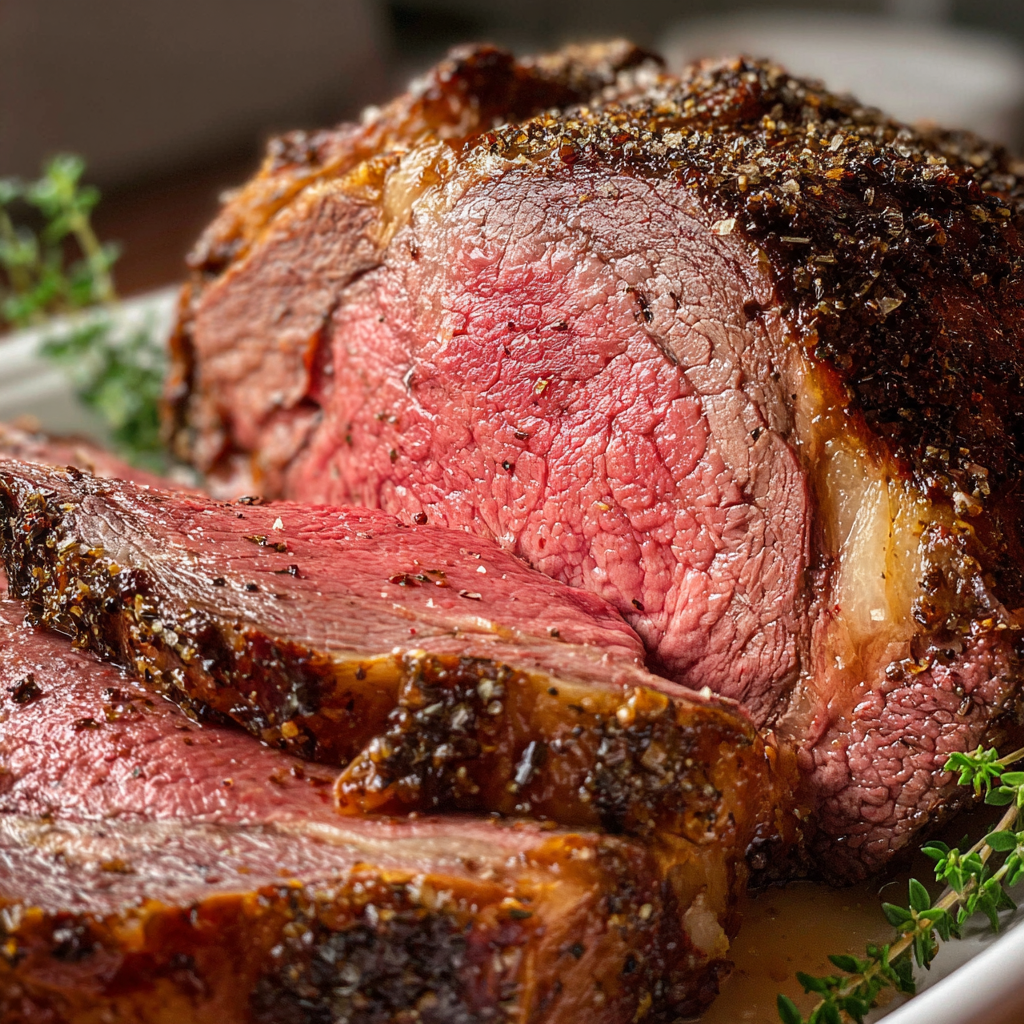
Remove the Prime Rib from the oven and tent loosely with aluminum foil. Let it rest for 20 to 30 minutes before carving. This crucial step allows juices to redistribute throughout the meat, making every slice tender and juicy.
Step 7: Carve and Serve
Slice your Prime Rib across the grain into beautiful, thick pieces and serve alongside your favorite accompaniments for a stunning meal.
Pro Tips for Making Prime Rib
- Use a meat thermometer: Accurate temperature reading is key to avoiding overcooked or undercooked meat.
- Resting is essential: Never skip resting, as it ensures juicy, tender slices instead of dry meat.
- Dry-aging effect: For a deeper flavor, season the roast and refrigerate uncovered overnight to dry out the surface.
- Use a roasting rack: Elevate the roast above the pan for even heat circulation and a crisp crust on all sides.
- Save drippings for au jus: Use the pan drippings to make a rich, flavorful sauce to serve alongside your Prime Rib.
How to Serve Prime Rib
Garnishes
Fresh herbs like rosemary and thyme sprigs add a lovely aromatic touch and visual appeal when plated. A light sprinkle of coarse salt on the sliced meat can enhance flavor just before serving.
Side Dishes
Classic pairings include creamy mashed potatoes, roasted root vegetables, Yorkshire pudding, or a crisp green salad for freshness. Horseradish sauce or a rich red wine jus complements the savory richness beautifully.
Creative Ways to Present
Present your Prime Rib on a wooden carving board surrounded by colorful roasted vegetables and fresh herbs for a rustic feel. For festive occasions, garnish with edible flowers or microgreens to elevate the presentation.
Make Ahead and Storage
Storing Leftovers
Place cooled Prime Rib slices in an airtight container and refrigerate for up to four days. Store with a little beef stock or au jus to keep the meat moist.
Freezing
Wrap leftover Prime Rib tightly in plastic wrap followed by aluminum foil or place in freezer bags. Freeze for up to three months to maintain the best texture and flavor.
Reheating
Reheat slices gently in a low oven (about 250°F or 121°C) wrapped in foil or in a covered skillet with a splash of broth to prevent drying out. Microwave reheating is possible but may dry the meat.
FAQs
What cut of beef is best for Prime Rib?
The traditional Prime Rib comes from the rib section, also called a standing rib roast. Look for bone-in with good marbling for maximum flavor and tenderness.
How do I know when my Prime Rib is done?
Using a reliable meat thermometer is the safest way: 120°F for rare, 130°F for medium-rare, and 135°F for medium. Remember the meat will continue to cook slightly while resting.
Can I cook Prime Rib without a meat thermometer?
While not recommended, you can estimate by cooking time per pound, but this is less reliable. Investing in a good digital thermometer makes all the difference in results.
Should I cover the Prime Rib while roasting?
No, roasting uncovered allows the crust to develop a beautiful brown color and crisp texture. Tent with foil only during resting to retain juices.
Is Prime Rib the same as ribeye roast?
Prime Rib is the larger roast with the ribs intact and bone-in. Ribeye is the boneless steak cut from the same section, often used for individual portions rather than roasts.
Final Thoughts
If you want to impress with a luxurious yet straightforward dinner, learning how to cook Prime Rib perfectly every time is a game changer. With just a handful of ingredients and a little know-how, you’ll create a tender, juicy roast bursting with flavor that everyone will rave about. So go ahead, treat yourself and your loved ones to this classic treasure of the culinary world—you’ll never look back!
Related Posts
- Creamy Sun-Dried Tomato Garlic Chicken
- Mediterranean White Beans and Greens
- Baked Feta Pasta with Chickpeas

Prime Rib
- Total Time: 2 hours 15 minutes to 3 hours
- Yield: 8 servings 1x
- Diet: Gluten Free
Description
Master the art of Prime Rib with this easy, foolproof guide to juicy, tender, and flavorful roast beef. Perfect for special occasions or impressive dinners, this recipe ensures a beautiful crust, succulent pink center, and rich, savory flavor using simple seasonings and straightforward steps.
Ingredients
Main Ingredients
- 4 to 8 pounds Prime Rib Roast, bone-in, well-marbled
- 2 to 3 tablespoons Kosher Salt
- 1 to 2 tablespoons Freshly Ground Black Pepper
- 4 to 6 Garlic Cloves, smashed or minced
- 2 to 3 sprigs Fresh Rosemary
- 2 to 3 sprigs Fresh Thyme
- 2 to 3 tablespoons Olive Oil or softened Butter
Optional Variations and Additions
- Chopped Parsley (for herb crust)
- Crushed Red Pepper Flakes or Cayenne (for spicy variant)
- Smoked Paprika (for smoky flavor)
- Garlic Butter (for garlic butter prime rib)
- Salt Substitute (for low-sodium option)
Instructions
- Preparing the Roast: Remove your Prime Rib from the fridge at least one hour before cooking to bring it to room temperature, ensuring even roasting. Pat the surface dry with paper towels, then rub the entire roast with olive oil or softened butter to help the seasoning adhere.
- Seasoning: Liberally sprinkle kosher salt and freshly ground black pepper all over the roast, including the ends. Add minced garlic and fresh rosemary and thyme, pressing them gently into the meat for an aromatic infusion.
- Preheat the Oven: Set your oven to a high temperature of 450°F (232°C) to start. This initial blast of heat forms a beautiful crust on the outside. Place the roast on a rack inside a roasting pan for even air circulation.
- Roast at High Heat: Insert the roast into the oven and cook for 15 to 20 minutes. This step creates a deep golden-brown exterior that locks in juices.
- Lower the Temperature and Continue Roasting: Reduce oven temperature to 325°F (163°C), then continue roasting until your desired internal temperature is reached—typically around 120°F (49°C) for rare, 130°F (54°C) for medium-rare, checking with a meat thermometer.
- Rest the Meat: Remove the Prime Rib from the oven and tent loosely with aluminum foil. Let it rest for 20 to 30 minutes before carving. This crucial step allows juices to redistribute throughout the meat, making every slice tender and juicy.
- Carve and Serve: Slice your Prime Rib across the grain into beautiful, thick pieces and serve alongside your favorite accompaniments for a stunning meal.
Notes
- Use a meat thermometer: Accurate temperature reading is key to avoiding overcooked or undercooked meat.
- Resting is essential: Never skip resting, as it ensures juicy, tender slices instead of dry meat.
- Dry-aging effect: For a deeper flavor, season the roast and refrigerate uncovered overnight to dry out the surface.
- Use a roasting rack: Elevate the roast above the pan for even heat circulation and a crisp crust on all sides.
- Save drippings for au jus: Use the pan drippings to make a rich, flavorful sauce to serve alongside your Prime Rib.
- Prep Time: 1 hour
- Cook Time: 1 hour 15 minutes to 2 hours
- Category: Main Course
- Method: Roasting
- Cuisine: American
Nutrition
- Serving Size: 6 oz (170 g)
- Calories: 450
- Sugar: 0 g
- Sodium: 600 mg
- Fat: 35 g
- Saturated Fat: 15 g
- Unsaturated Fat: 18 g
- Trans Fat: 0.5 g
- Carbohydrates: 0 g
- Fiber: 0 g
- Protein: 35 g
- Cholesterol: 120 mg
Keywords: prime rib, roast beef, standing rib roast, holiday roast, beef roast, festive dinner