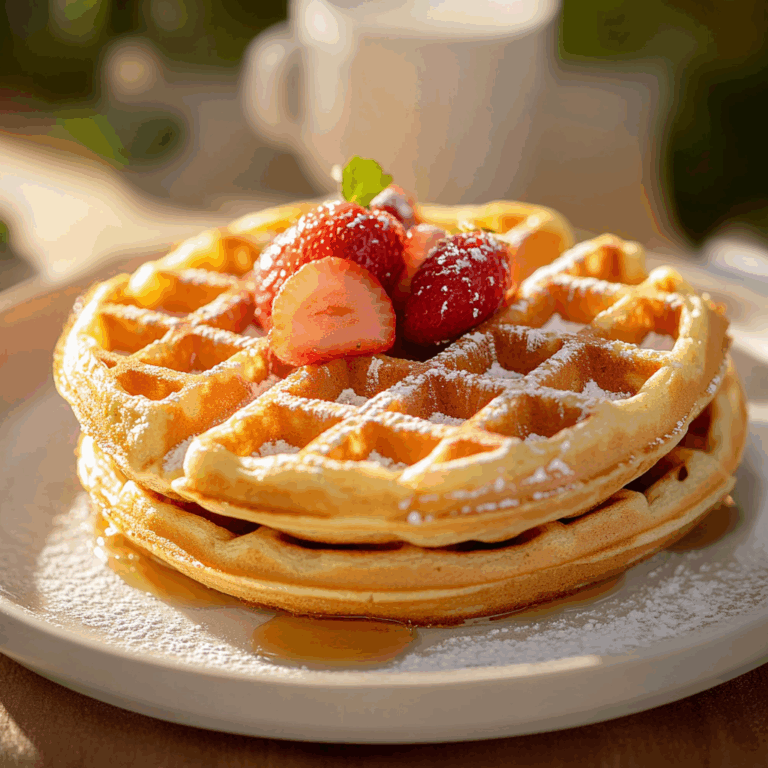
Crepes

If you’re craving something light, flexible, and truly delicious, crepes are your new best friend. These thin, tender pancakes can be dressed up sweet or savory and enjoyed at any meal. Discover 7 easy crepes recipes perfect for any meal, allowing you to whip up quick, delicious, and versatile crepes to enjoy today. Whether you’re new to making crepes or an experienced kitchen adventurer, these recipes will inspire you to get creative with flavors and fillings while keeping things effortlessly tasty.
Why You’ll Love This Recipe
- Versatile for any meal: Crepes work perfectly for breakfast, lunch, dinner, or dessert, adapting to sweet or savory tastes.
- Quick and simple: Each recipe uses straightforward ingredients and takes just minutes to prepare, ideal for busy days.
- Customizable fillings: From fresh fruits to creamy cheeses or savory proteins, crepes are a blank canvas for your favorite flavors.
- Light and satisfying: Made thin and delicate, crepes offer a less heavy alternative to traditional pancakes while remaining filling.
- Family-friendly: Everyone from kids to adults loves crepes, making them great for gatherings or weekday meals.
Ingredients You’ll Need
Crepes rely on a handful of simple, essential ingredients that combine to create the perfect base: light, tender, and full of flavor. Each element plays a critical role in achieving that signature thin texture and subtle taste.
- All-purpose flour: Provides structure and creates the smooth, elastic batter needed for thin crepes.
- Milk: Adds moisture and helps produce a tender crumb with a creamy mouthfeel.
- Eggs: Bind ingredients and add richness, making crepes soft yet sturdy enough to hold fillings.
- Butter: Adds flavor and prevents sticking during cooking; melted butter incorporated into the batter helps even cooking.
- Salt: Enhances flavor and balances the sweetness or savoriness depending on your filling choice.
- Sugar (optional): Just a touch sweetens crepes when making them for desserts or breakfast.
Variations for Crepes
One of the best parts about crepes is how easy they are to customize. Whether you want to adjust for dietary preferences or experiment with new flavors, these variations will help you craft your perfect crepe experience.
- Gluten-free crepes: Swap all-purpose flour for a gluten-free blend to enjoy crepes without gluten worries.
- Vegan crepes: Replace eggs with flaxseed or chia seeds mixed in water and use plant-based milk and oils.
- Whole wheat crepes: Use whole wheat flour to add fiber and a nuttier flavor to your crepes.
- Savory herbs: Add thyme, basil, or chives to the batter for an herbaceous twist to savory crepes.
- Spiced crepes: Incorporate cinnamon, nutmeg, or vanilla for a warm aroma perfect with sweet fillings.

How to Make Crepes
Step 1: Prepare the Batter
In a large bowl, whisk together flour, eggs, milk, melted butter, sugar (if using), and salt until you get a smooth, thin batter. Let it rest for about 15-30 minutes to relax the gluten and prevent tearing during cooking.
Step 2: Heat the Pan
Preheat a non-stick skillet or crepe pan over medium heat. Lightly grease it with butter or oil to prevent sticking without overwhelming the delicate batter.
Step 3: Cook the Crepes
Pour about 1/4 cup of batter into the center of the pan, swirling immediately in a circular motion to spread it evenly into a thin layer. Cook for about 1-2 minutes or until the edges start to lift and the underside is golden brown.
Step 4: Flip Carefully
Using a thin spatula, gently flip the crepe and cook the other side for an additional 30 seconds to 1 minute until lightly browned.
Step 5: Stack and Serve
Transfer cooked crepes to a warm plate, stacking them loosely with parchment paper in between to prevent sticking, and proceed with your favorite fillings or toppings.
Pro Tips for Making Crepes
- Consistent batter texture: Aim for a batter thinner than pancake batter, almost like heavy cream, for the best crepes.
- Rest the batter: Allowing the batter to sit helps create a more tender crepe by hydrating the flour fully.
- Medium heat is key: Too hot and the crepes burn; too low and they won’t brown properly—strike a balance for perfect cooking.
- Use a non-stick pan: This makes flipping much easier and reduces the need for excess oil or butter.
- Swirl quickly: Pour batter and swirl fast to avoid clumps and create a uniform thin layer.
How to Serve Crepes
Garnishes
Simple garnishes like a dusting of powdered sugar, a few fresh berries, a drizzle of honey, or a sprinkle of lemon zest add enticing color and flavor to crepes without overpowering their light taste.
Side Dishes
Pair crepes with fresh fruit salads, a crisp green salad, or even a scoop of vanilla ice cream for a complete and balanced meal or dessert.
Creative Ways to Present
Roll crepes with your favorite fillings for easy handheld bites, fold them into quarters for a classic look, or create layered crepe cakes with spreads and fruit for special occasions.
Make Ahead and Storage
Storing Leftovers
Store cooked crepes in an airtight container lined with parchment paper to keep them from sticking and place them in the fridge for up to 3 days.
Freezing
Crepes freeze beautifully—stack them separated by parchment, then wrap tightly in plastic wrap or foil and freeze for up to 2 months for quick future meals.
Reheating
Reheat crepes gently in a warm skillet or microwave with a damp paper towel on top to keep them soft without drying out or becoming rubbery.
FAQs
What is the difference between crepes and pancakes?
Crepes are much thinner and less fluffy than pancakes, made with a thinner batter and cooked to be delicate and pliable rather than thick and cakey.
Can I make crepes without eggs?
Yes! You can substitute eggs with flaxseed or chia seed mixtures soaked in water or use commercial egg replacers, making it easy to create vegan-friendly crepes.
How do I prevent crepes from tearing?
Make sure the batter is smooth and rested, cook on medium heat, and use a thin spatula for careful flipping; thin, tender crepes can be fragile but with practice, you’ll get perfect results.
Are crepes healthy?
Crepes can be healthy depending on the ingredients and fillings you use; choosing whole wheat flour or adding fresh fruits and veggies makes them a nutritious option.
Can crepes be frozen after cooking?
Absolutely! Freezing crepes after cooking keeps them fresh, and you can thaw and reheat them quickly for convenient meals anytime.
Final Thoughts
Crepes are truly a culinary delight that bring joy with every bite. Their simplicity, endless versatility, and satisfying taste make them perfect for any time of day. Give these 7 easy crepes recipes a try and experience the comfort and creativity you can achieve by mastering this wonderfully adaptable dish. Happy cooking and happy eating!
Related Posts
Print
Crepes
- Total Time: 30 minutes
- Yield: 8-10 crepes 1x
- Diet: Vegetarian
Description
Delicate and versatile crepes made from a simple batter of flour, milk, eggs, and butter. Perfectly thin and tender, these crepes can be customized with sweet or savory fillings and served at any meal. Easy to prepare and quick to cook, they offer a lighter alternative to traditional pancakes and are suitable for family gatherings or weekday meals.
Ingredients
Basic Crepe Batter
- 1 cup all-purpose flour
- 1 1/4 cups milk
- 2 large eggs
- 2 tablespoons melted butter
- 1/4 teaspoon salt
- 1 tablespoon sugar (optional, for sweet crepes)
Instructions
- Prepare the Batter: In a large bowl, whisk together the flour, eggs, milk, melted butter, sugar (if using), and salt until smooth and thin. Let the batter rest for 15-30 minutes to relax the gluten and prevent tearing during cooking.
- Heat the Pan: Preheat a non-stick skillet or crepe pan over medium heat. Lightly grease with butter or oil to prevent sticking without overwhelming the batter.
- Cook the Crepes: Pour about 1/4 cup of batter into the center of the pan, swirling immediately in a circular motion to evenly spread it into a thin layer. Cook for 1-2 minutes or until the edges start to lift and the underside turns golden brown.
- Flip Carefully: Using a thin spatula, gently flip the crepe and cook the other side for 30 seconds to 1 minute until lightly browned.
- Stack and Serve: Transfer the cooked crepes to a warm plate, stacking loosely with parchment paper in between to prevent sticking. Add your favorite fillings or toppings before serving.
Notes
- Use a batter thinner than traditional pancake batter, similar to heavy cream, for best results.
- Allow the batter to rest to create a tender texture.
- Maintain medium heat on the pan to avoid burning or undercooking.
- Use a non-stick pan to ease flipping and reduce oil use.
- Pour and swirl the batter quickly to create an even, thin crepe layer.
- Prep Time: 15 minutes
- Cook Time: 15 minutes
- Category: Appetizers
- Method: Pan-frying
- Cuisine: French
Nutrition
- Serving Size: 1 crepe
- Calories: 90
- Sugar: 1 g
- Sodium: 120 mg
- Fat: 4 g
- Saturated Fat: 2.5 g
- Unsaturated Fat: 1 g
- Trans Fat: 0 g
- Carbohydrates: 10 g
- Fiber: 0.5 g
- Protein: 3 g
- Cholesterol: 50 mg
Keywords: crepes, pancakes, breakfast, easy recipe, versatile, sweet and savory, thin pancakes, French cuisine