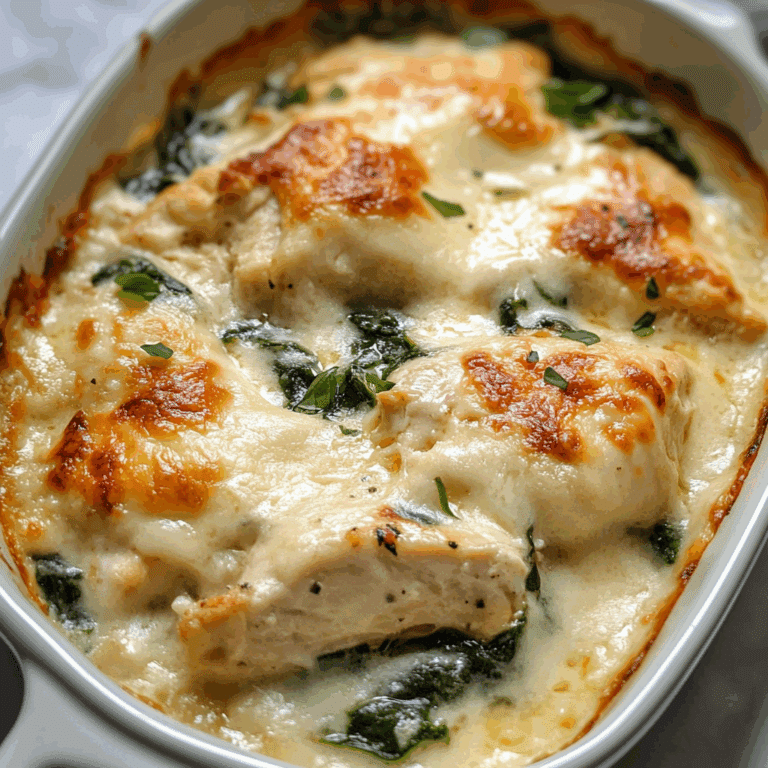
Rosemary Sourdough Bread

If you’re craving a bread that bursts with flavor, texture, and rustic charm, Rosemary Sourdough Bread is an absolute must-try treat. This bread combines the tangy depth of sourdough with the fragrant aroma of fresh rosemary, creating a crispy crust surrounding a tender, chewy interior. Whether you’re a seasoned baker or just diving into homemade breads, this recipe brings everything you need for delightful results perfect for any meal or snack.
Why You’ll Love This Recipe
- Aromatic Flavor Boost: The fresh rosemary infuses the bread with a subtle, woodsy fragrance that wakes up your taste buds.
- Perfect Crust and Crumb: Crispy on the outside yet soft and airy on the inside, delivering an ideal sourdough experience.
- Natural Ingredients: Made with simple pantry staples, showcasing natural fermentation without artificial additives.
- Versatile and Delicious: Great for sandwiches, toast, or paired with soups and salads, fitting into countless meals.
- Therapeutic Baking: Crafting this bread encourages mindfulness and a satisfying hands-on cooking process.
Ingredients You’ll Need
The magic behind Rosemary Sourdough Bread lies in its simple yet carefully selected ingredients; each component adds to the bread’s signature taste and texture. Together, they create a loaf that is both rustic and refined.
- Sourdough Starter: This natural yeast provides the essential rise and tangy flavor unique to sourdough bread.
- Bread Flour: High in protein to give the bread structure and that satisfying chewiness.
- Water: Hydrates the flour and activates the starter, crucial for proper fermentation.
- Sea Salt: Enhances flavor and strengthens gluten for texture.
- Fresh Rosemary: Adds aromatic oils that infuse the dough, lending a fresh, herbal kick.
Variations for Rosemary Sourdough Bread
One of the best parts of this Rosemary Sourdough Bread recipe is how effortlessly you can tailor it to your preferences or dietary needs. Feel free to experiment with add-ins or tweaks that suit your style.
- Olive and Rosemary: Incorporate chopped olives for a Mediterranean twist that pairs wonderfully with the herb.
- Garlic Infusion: Add roasted garlic to the dough for a warm, savory depth in every bite.
- Whole Wheat Blend: Substitute part of the bread flour with whole wheat flour for added fiber and a nuttier taste.
- Seeded Crunch: Top the loaf with sunflower or sesame seeds for a crunchy texture variation.
- Dairy-Free Option: Naturally free from dairy, making it great for dairy-sensitive diets without any changes.

How to Make Rosemary Sourdough Bread
Step 1: Prepare Your Starter
Begin by feeding your sourdough starter 4-6 hours before mixing your dough, ensuring it’s bubbly and active for optimal fermentation and rise.
Step 2: Mix the Dough
In a large bowl, combine bread flour, water, active starter, and salt. Mix until all the flour is hydrated, then gently fold in fresh rosemary, distributing it evenly throughout the dough.
Step 3: Bulk Fermentation and Folding
Let the dough rise at room temperature for 3-4 hours, performing gentle stretch-and-folds every 30 minutes during the first 2 hours to build structure and develop gluten strength.
Step 4: Shape the Loaf
Once the dough has risen roughly 50%, turn it out onto a floured surface and shape it into a round boule or oval bâtard, depending on preference. Place it into a floured banneton or bowl lined with a kitchen towel.
Step 5: Final Proof
Cover the shaped dough and refrigerate overnight or for 8-12 hours. This slow, cold rise enhances flavor complexity and improves crust texture.
Step 6: Bake
Preheat your oven to 475°F (245°C) with a Dutch oven inside. Transfer the dough to the hot Dutch oven, score the surface with a sharp blade, cover, and bake for 20 minutes. Remove the lid and bake for another 20-25 minutes until golden brown and crisp.
Pro Tips for Making Rosemary Sourdough Bread
- Use Fresh Rosemary: Fresh herbs deliver far better aroma and flavor than dried alternatives.
- Maintain Starter Health: Regularly feed your starter and keep it bubbly for the best rise.
- Don’t Skip the Folding: Stretch-and-fold helps develop gluten without harsh kneading.
- Control Hydration: Adjust water quantity slightly based on your flour’s absorption to get the perfect dough consistency.
- Score Properly: A good cut gives room for oven spring and prevents tearing.
How to Serve Rosemary Sourdough Bread
Garnishes
Freshly sliced Rosemary Sourdough Bread shines best with a drizzle of high-quality olive oil, a sprinkle of flaky sea salt, or a smear of creamy butter. For entertaining, add a scattering of fresh rosemary leaves on top.
Side Dishes
This bread pairs beautifully with hearty soups like tomato basil or creamy mushroom, as well as sharp cheeses, tapenades, and rustic stews to soak up all those savory juices.
Creative Ways to Present
Slice the bread thick for toasted open-faced sandwiches topped with avocado, heirloom tomatoes, and a sprinkle of sea salt, or create a flavorful bruschetta with garlic, tomatoes, and fresh basil for crowd-pleasing appetizers.
Make Ahead and Storage
Storing Leftovers
Wrap the bread in a clean kitchen towel and store at room temperature in a bread box or paper bag to maintain crusty texture for up to two days.
Freezing
Slice the loaf before freezing, then place slices in airtight freezer bags. This allows you to toast slices directly from the freezer, preserving freshness for up to three months.
Reheating
Reheat bread by placing it in a preheated oven at 350°F (175°C) for 5-10 minutes to revive crispness, or toast slices for quick, delicious warmth.
FAQs
What makes Rosemary Sourdough Bread different from regular sourdough?
The inclusion of fresh rosemary infuses the sourdough loaf with a unique herbaceous aroma and flavor, creating a more complex and savory bread.
Can I use dried rosemary instead of fresh?
While dried rosemary can be used, fresh rosemary provides a brighter, more vibrant flavor and better aroma in the final loaf.
How long does it take to make Rosemary Sourdough Bread?
The entire process takes about 24 hours due to fermentation and proofing times, but most of it is hands-off waiting, making it easy to fit into your schedule.
Do I need a sourdough starter for this recipe?
Yes, a healthy and active sourdough starter is essential to achieve the characteristic tangy taste and rise in this bread.
How do I keep the crust crispy?
Storing the bread in a paper bag and reheating in the oven helps maintain the crust’s crispiness; avoid airtight plastic bags which trap moisture.
Final Thoughts
Rosemary Sourdough Bread is truly a delight worth making and sharing. With its inviting aroma, perfect texture, and adaptable nature, it’s an ideal recipe to add warmth and flavor to your kitchen. Give it a try, and you might just discover your new favorite homemade bread to enjoy for breakfasts, dinners, and everything in between.
Related Posts
- Chicken Marbella
- Ricotta Meatballs with Tomato Sauce
- Salmon and Spinach Rice Bowl with Green Tea Broth

Rosemary Sourdough Bread
- Total Time: 24 hours (including fermentation and proofing)
- Yield: 1 medium loaf (about 800-900g) 1x
- Diet: Dairy-Free
Description
Rosemary Sourdough Bread is a fragrant and flavorful loaf combining the tangy depth of natural sourdough with fresh rosemary’s aromatic herbaceous notes. Featuring a crispy crust and a tender, chewy interior, this bread is made with simple, natural ingredients through a slow fermentation process, perfect for sandwiches, toasts, or pairing with soups and salads. Ideal for both novice and experienced bakers, it offers a therapeutic and rewarding baking experience.
Ingredients
Starter
- Sourdough Starter (active and bubbly, about 100g)
Main Dough
- 500g Bread Flour (high protein)
- 350g Water (adjust as needed for hydration)
- 10g Sea Salt
- 2 tbsp Fresh Rosemary (chopped)
Instructions
- Prepare Your Starter: Begin by feeding your sourdough starter 4-6 hours before mixing your dough, ensuring it’s bubbly and active for optimal fermentation and rise.
- Mix the Dough: In a large bowl, combine bread flour, water, active starter, and salt. Mix until all the flour is hydrated, then gently fold in fresh rosemary, distributing it evenly throughout the dough.
- Bulk Fermentation and Folding: Let the dough rise at room temperature for 3-4 hours, performing gentle stretch-and-folds every 30 minutes during the first 2 hours to build structure and develop gluten strength.
- Shape the Loaf: Once the dough has risen roughly 50%, turn it out onto a floured surface and shape it into a round boule or oval bâtard, depending on preference. Place it into a floured banneton or bowl lined with a kitchen towel.
- Final Proof: Cover the shaped dough and refrigerate overnight or for 8-12 hours. This slow, cold rise enhances flavor complexity and improves crust texture.
- Bake: Preheat your oven to 475°F (245°C) with a Dutch oven inside. Transfer the dough to the hot Dutch oven, score the surface with a sharp blade, cover, and bake for 20 minutes. Remove the lid and bake for another 20-25 minutes until golden brown and crisp.
Notes
- Use fresh rosemary for the best aroma and flavor.
- Maintain a healthy, active sourdough starter for optimal rise and taste.
- Perform stretch-and-folds instead of harsh kneading to develop gluten.
- Adjust water quantity slightly based on your flour’s absorption for ideal dough consistency.
- Score the dough properly to allow for oven spring and prevent tearing.
- Prep Time: 4-6 hours (starter preparation + mixing)
- Cook Time: 40-45 minutes
- Category: Breads
- Method: Baking
- Cuisine: Rustic / Artisan
Nutrition
- Serving Size: 1 slice (about 60g)
- Calories: 150
- Sugar: 0.2g
- Sodium: 220mg
- Fat: 0.5g
- Saturated Fat: 0g
- Unsaturated Fat: 0g
- Trans Fat: 0g
- Carbohydrates: 32g
- Fiber: 2g
- Protein: 5g
- Cholesterol: 0mg
Keywords: Rosemary, Sourdough, Artisan Bread, Homemade Bread, Rustic Bread, Fermented Bread, Herbal Bread, Natural Yeast